Schneider TAC Xenta 400 0-073-0902-0 Control Terminal
Brand: Schneider
Model number:TAC Xenta 400 0-073-0902-0
Colour:new
Warranty: 12 months
Lead Time:3-day working day
Country of origin: USA Price: Please contact us
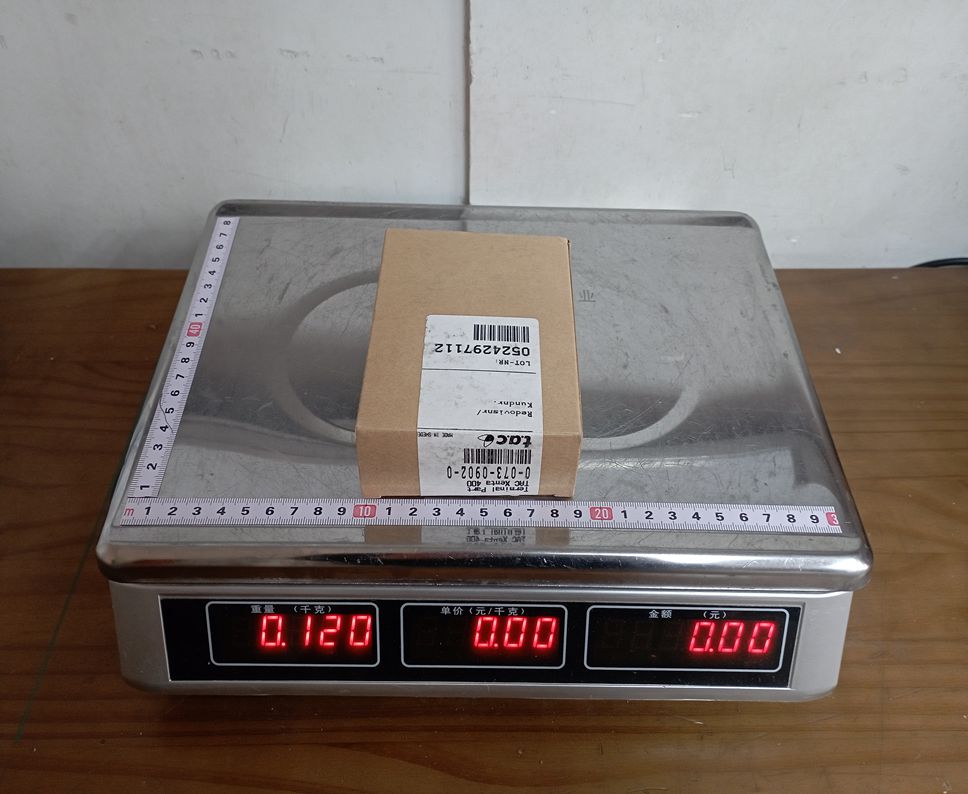
Product weight:0.40kg
Shipping Port: China
Payment: Bank of Chicago, Bank of Singapore
Express cooperation: fedex, DHL, UPS and your express account
Service: Professional Sales provides 24 hours /7 days online service
Schneider TAC Xenta 400 0-073-0902-0 Control Terminal
Product Description
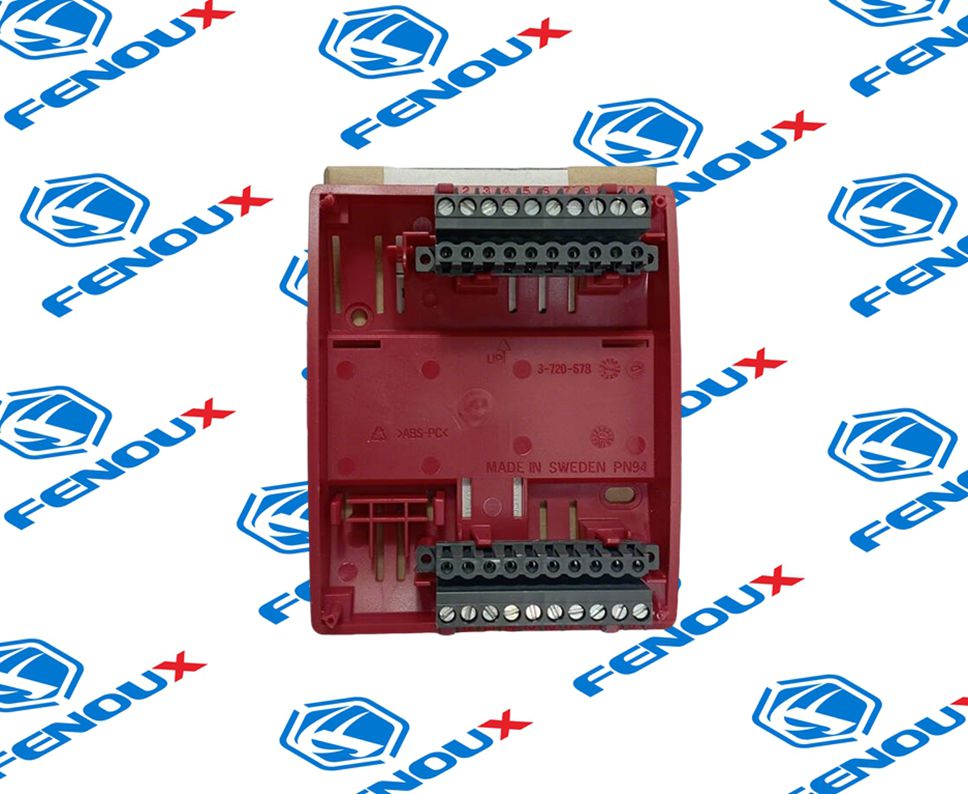
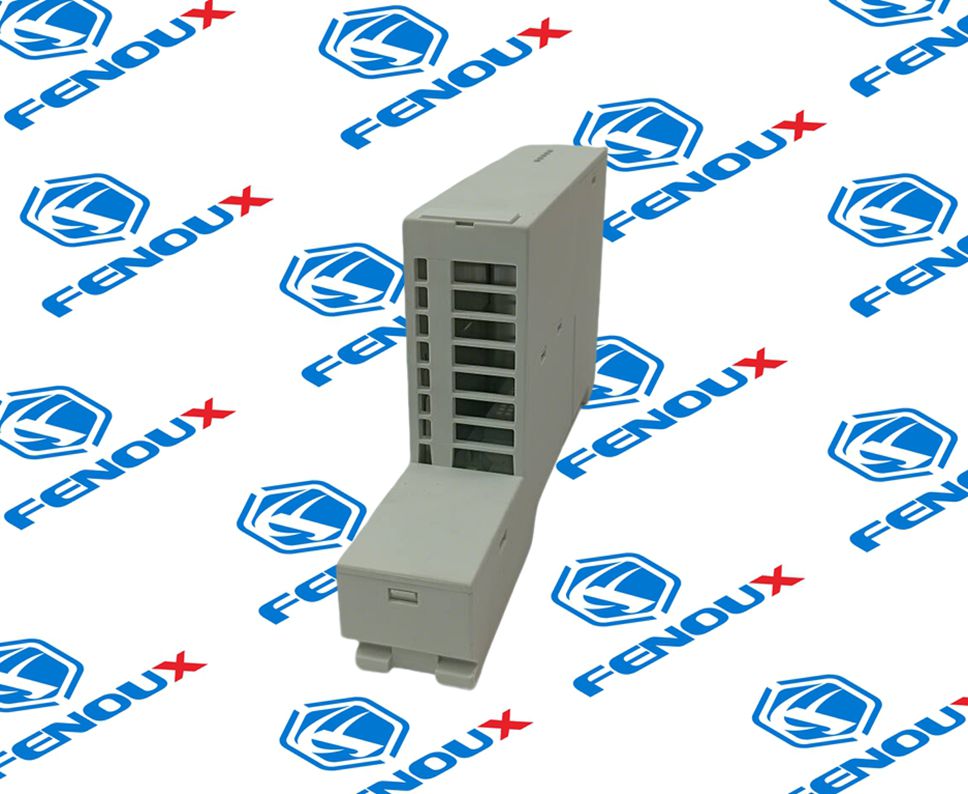
The Schneider (formerly TAC) Xenta 400 Terminal Part (0-073-0902-0) is a dedicated terminal base used to provide the physical connections for power, communications, and I/O wiring to a compatible TAC Xenta 400 series electronic unit (such as the Xenta 401, 411, 412, etc.).
It is designed for DIN rail mounting and features screw terminals for secure wiring. This two-part design (base terminal + plug-in electronics) allows for hot-swapping of the electronic unit without having to disconnect and re-wire the entire system, significantly simplifying maintenance and reducing downtime.
Key Technical Specifications (for the Terminal Part)
| Parameter | Specification |
| Product Type | Terminal Base / Terminal Part |
| MPN | 0-073-0902-0 |
| Series Compatibility | TAC Xenta 400, and often compatible with other Xenta 4xx, 7xx, and 9xx controllers/modules |
| Mounting | DIN Rail |
| Connection Type | Screw Terminals for Power, Communications (LonWorks), and I/O Signals |
| Design Feature | Separate terminal base for plug-in electronic units (Hot-swappable module capability) |
| Function | Provides physical and electrical interface between field wiring and the Xenta electronic module. |
Note: The specific I/O counts (like Universal Inputs, Analog Outputs, Digital Outputs) are defined by the electronic module that plugs into this terminal base, not the base itself.
✨ Product Advantages
The use of a separate terminal part offers several operational and maintenance benefits:
Simplified Maintenance: The electronic control unit can be quickly replaced (hot-swapped) without disconnecting any field wiring, dramatically speeding up service and troubleshooting.
Reduced Downtime: Quick module replacement means the building system can be brought back online faster, minimizing disruption to operations.
Cost-Effective Installation: Wiring can be completed on the terminal base first, even before the electronic module arrives or is installed, simplifying the overall installation process.
Reliable Connections: High-quality screw terminals ensure secure and durable electrical connections for critical building automation signals.
DIN Rail Mounting: Standardized mounting allows for easy and organized integration within control panels.
⚠️ Precautions and Safety Notes
When installing and working with the TAC Xenta 400 Terminal Part, the following should be observed:
Authorized Personnel Only: Installation and wiring should only be performed by qualified, licensed technical personnel familiar with low-voltage control systems and local electrical codes.
Power Disconnection: Always disconnect power to the controller and system before performing any wiring changes or before plugging/unplugging the electronic module, unless the electronic unit is explicitly designed for hot-swap. Even then, best practice is to power down for major work.
Correct Wiring: Ensure all field wiring (power, communication, I/O) is connected to the correct terminals as specified in the TAC Xenta 400 series module's documentation. Incorrect wiring can damage the electronic unit.
Environmental Limits: Ensure the control panel environment (temperature, humidity, and protection class) remains within the limits specified for the overall Xenta 400 system.
Cable Routing: Separate high-voltage wiring from low-voltage I/O and communication cables to prevent electrical noise interference.